MANHATTAN PROJECT
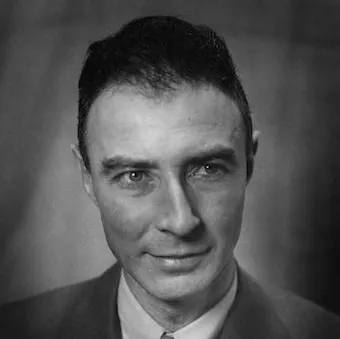
J. Robert Oppenheimer is perhaps the most enigmatic figure in the history of the Manhattan Project. His leadership brought forth the final devastating product —for the rest of his life sometimes expressed great remorses He lost his security clearance in 1954. The event broke him.
A rare interview with Oppenheimer
Oppenheimer, 2023, The Oppenheimer Files, The Bulletin of the Atomic Scientists
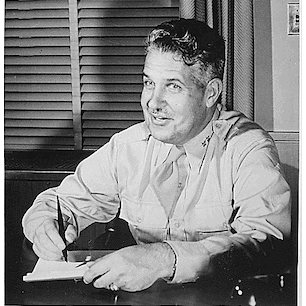
General Leslie Groves was charged with the practical side of the bomb development. Brash and hawkish, Groves had a rocky relationship with Oppenheimer. Groves was the bomb's greatest booster. Apparently, Groves didn't pass on a plea from the scientists asking President Truman to do a warning explosion on unpopulated land.
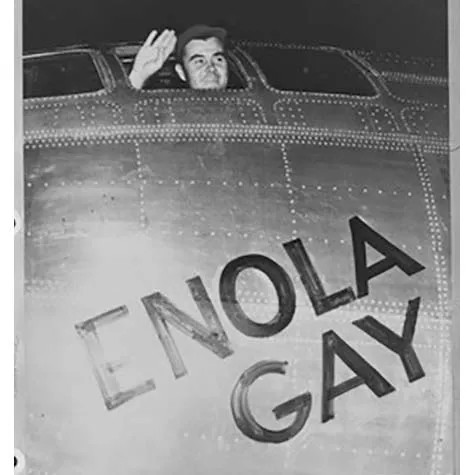
Col. Paul Tibbets Jr. flew the Enola Gay (named after his mother) on the mission to Hiroshima. Like the Manhattan Project scientists, the bombing crew faced decades of questions about their own feelings about the ethics of dropping the bomb.
Hiroshima and Nagasaki plane crews
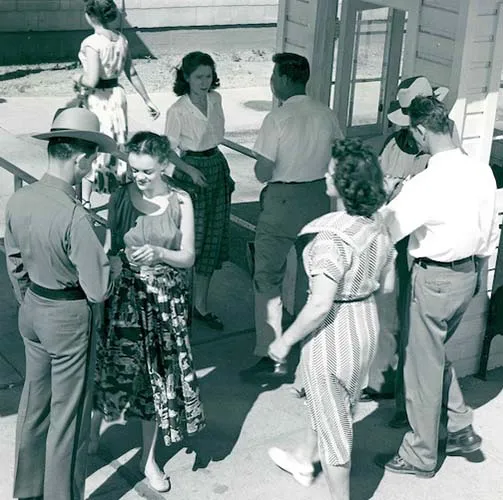
Those in The Secret City did not know what kind of work anyone performed outside their small piece of the project.. The workers still built a community — with dance parties and sports days.
Voices of the Manhattan Project
Narratives of Manhattan Project Secrecy
Bulletin of Atomic Scientists Oral History Program
POLITICIANS
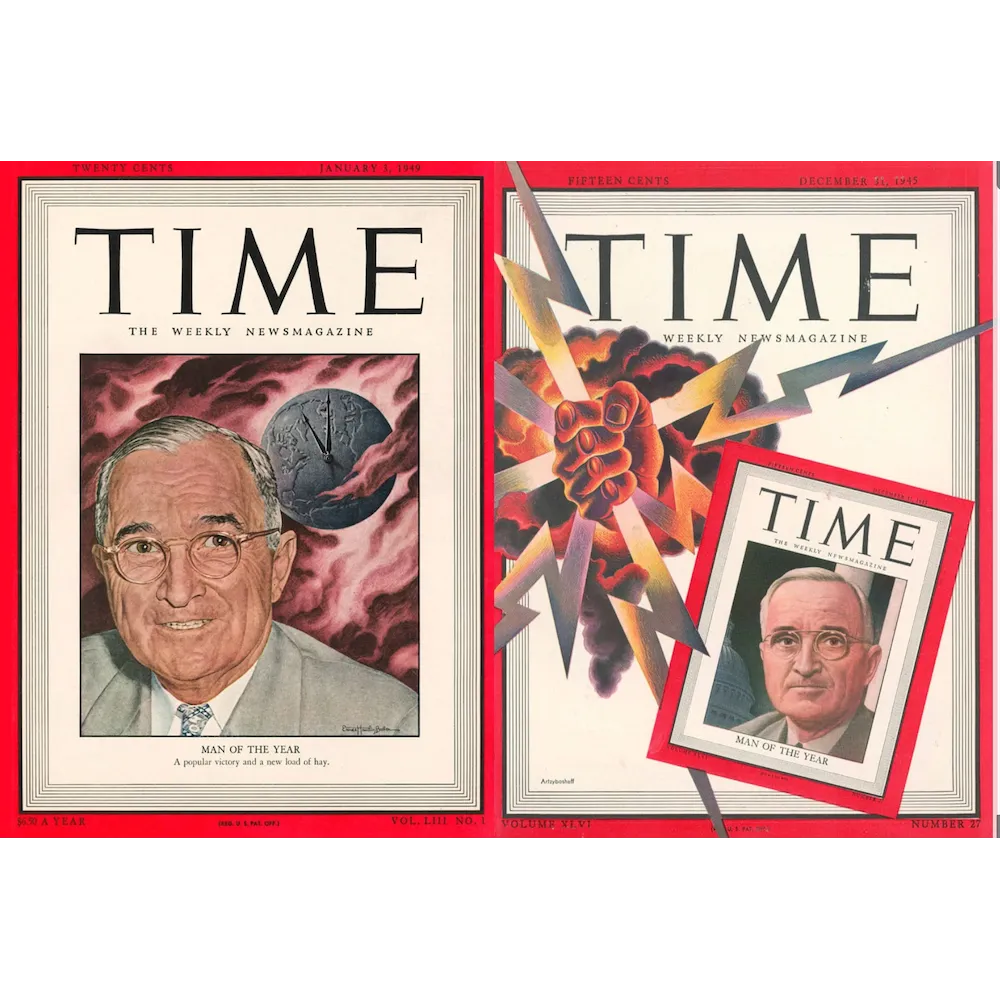
Harry Truman is the political face of the bomb. Not only did he make the decision when and where to drop the first bombs but backed the development of the hydrogen or "hell bomb" that ignited the arms race.
C-SPAN: Decision to Bomb Hiroshima and Nagasaki, July 30, 2020
The decision to drop the bomb, Harry S. Truman Library & Museum
Debate over the Bomb, Atomic Heritage Foundation{
PBS American Experience: Truman
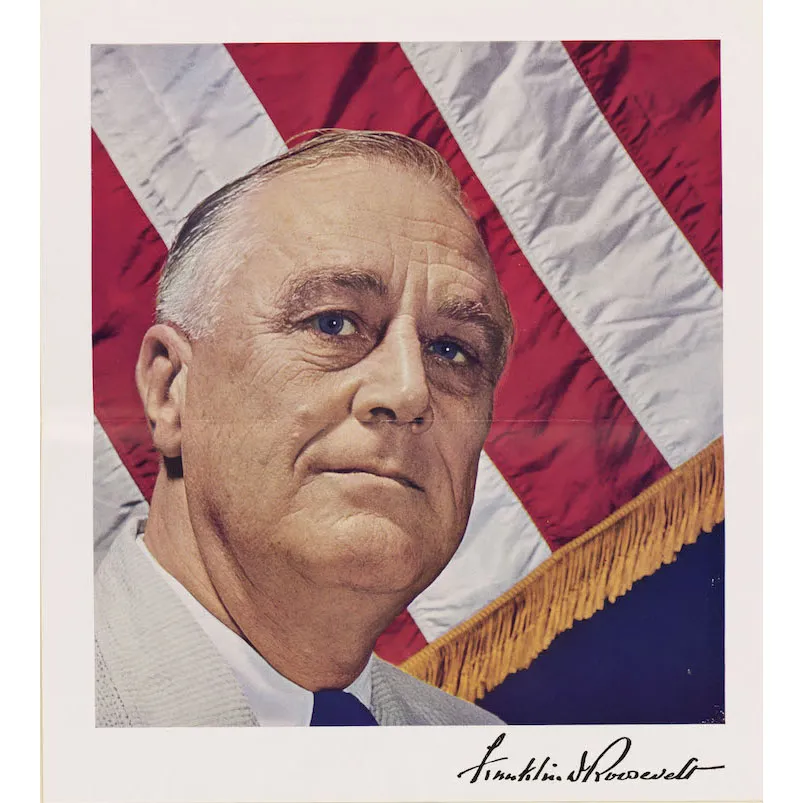
Famously, FDR told his vice president, Harry Truman, nothing about the Manhattan Project. FDR started the research project at the urging of physicists Albert Einstein and Leo Szlidard. On the world stage FDR and Churchill agreed to share atomic technology only between their two nations.
Roosevelt and Churchill: A Friendship That Saved The World
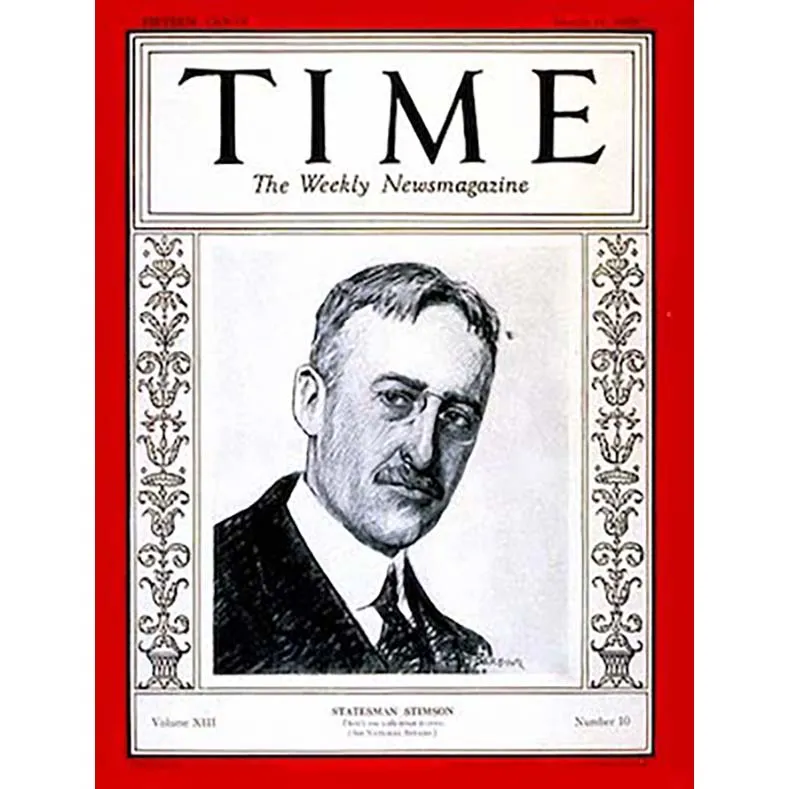
Career diplomat Henry Louis Stimson was one of the handful of people that knew about the Manhattan Project — he told Truman about the bomb. Stimson spoke for the government when defending the decision to drop the bomb in the wake of unease caused by the publication of John Hersey's Hiroshima
The Harper’s Magazine article from 1947, “The Decision to Use the Atomic Bomb” by Henry Stimson
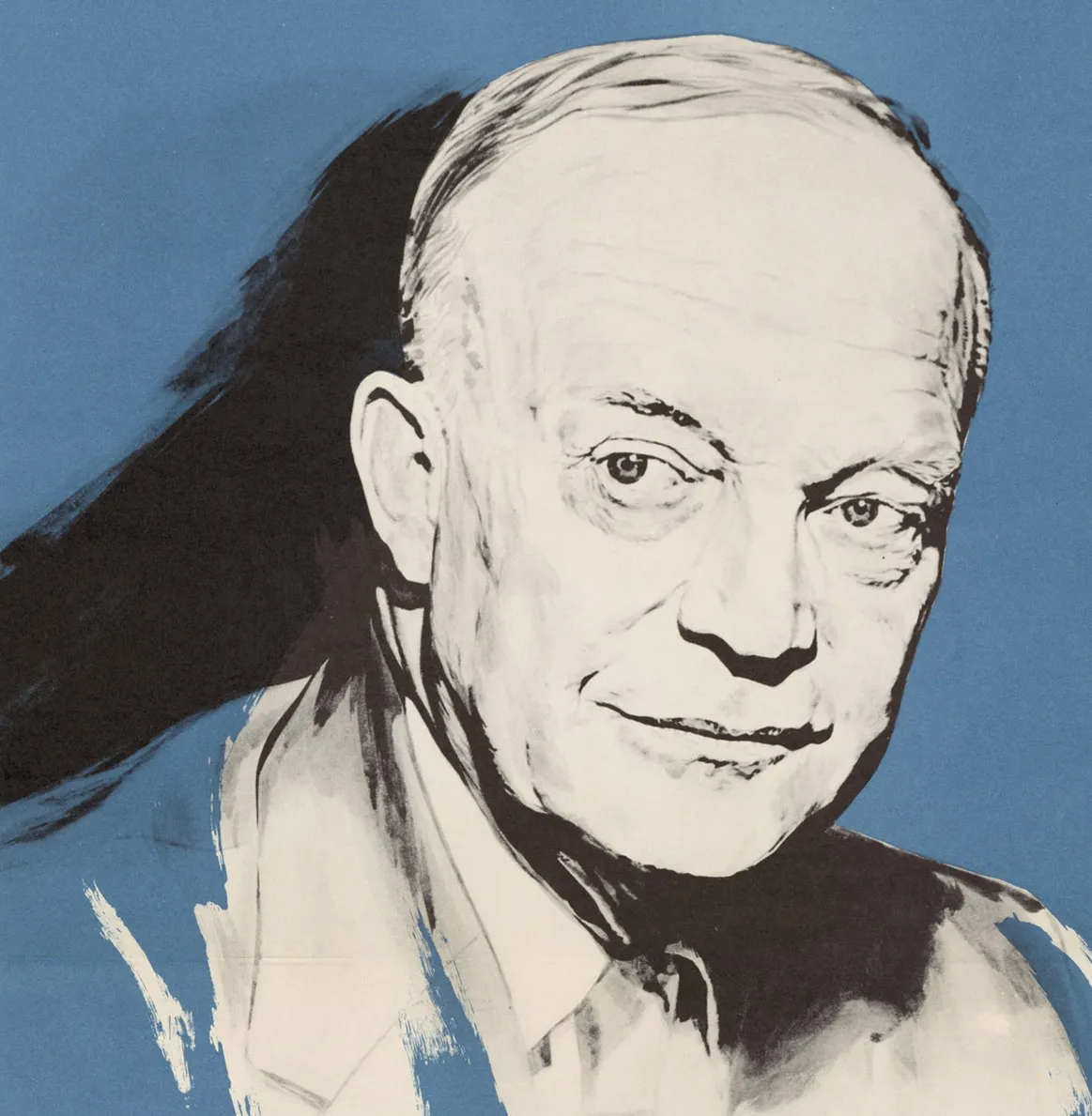
Former general Eisenhower was immediately concerned about the power of the new weapon. He launched the "Atoms for Peace" program to turn the technology toward non-military use. Eisenhower was also the first person to warn the country about the coming arms race — and coined the phrase "military-industrial complex" in his farewell address.
President Eisenhower's "military-industrial complex" farewell speech
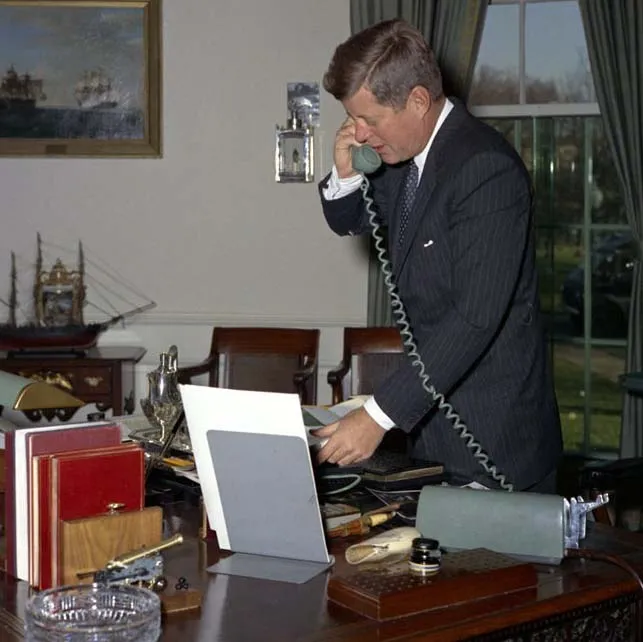
John F. Kennedy faced the most serious nuclear crises after 1945. In 1961, he pledged aid to a nervous group of Berliners arousing the anger of Soviet President Khrushchev. But it was the thirteen days in October of 1962 — the Cuban Missile Crisis —when he faced his greatest challenge— negotiating on the very edge of war with both Khrushchev and Fidel Castro about the placing of Soviet missiles in Cuba.
JFK Library Cuban Missile Crisis
Cuban Missile Crisis: National Archives
PBS American Experience: Cuban Missile Crisis
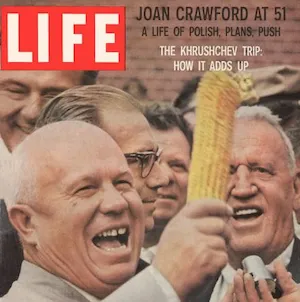
Nikita Khrushchev personified the Cold War to Americans. He was brash and confident the first Soviet star after Stalin. Khrushchev ramped up the Soviet space and arms programs. Their success added considerably to Cold War fears among the American people and its politicians.
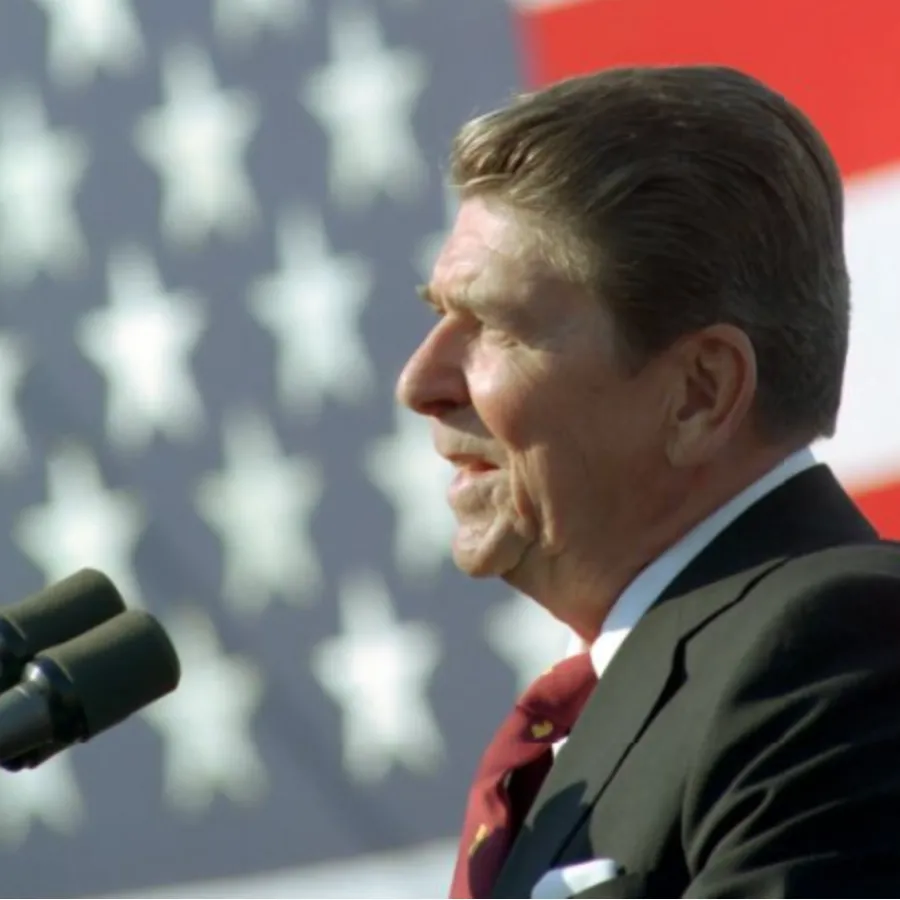
Gallup started tracking the question "are you worried about nuclear war" in 1945. They charted a notable uptick in fear during Reagan years. Reagan's Cold War rhetoric was tough -- calling the U.S.S.R. the "Evil Empire" in 1982. His Strategic Defense Initiative Program, commonly known as "Star Wars", firmly centered U.S. policy and money on a military program many, even in the administration, struggled to comprehend.
Strategic Defense Initiative, Atomic Heritage Foundation
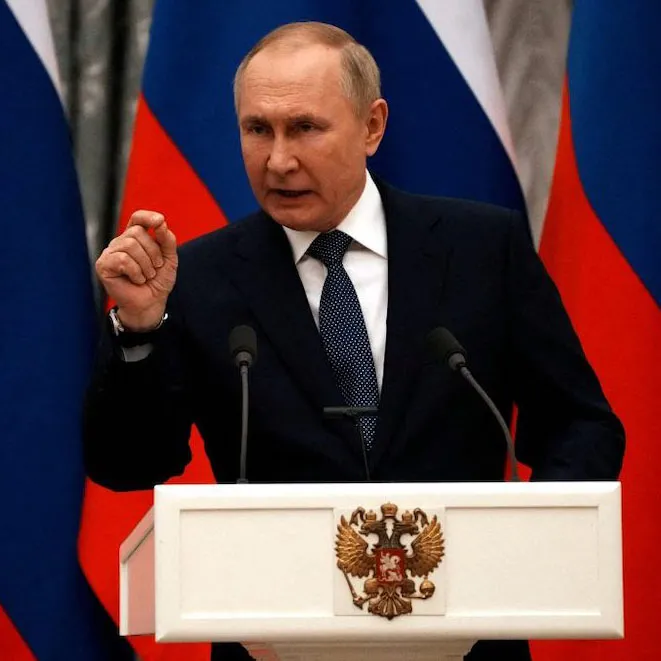
Vladimir Putin's invasion of Ukraine and his subsequent rhetoric cannot be overestimated in their effect on geopolitics and public fears of war in decades. Putin pulled Russia out of START II -- the last remaining nuclear agreement. In July, 2023 he announced plans to move nuclear missile into Belarus — violating NATO rules and unspoken taboos.
BBC: Putin confirms first nuclear weapons moved to Belarus, June 17, 2023
Putin Archives, Bulletin of Atomic Scientists
Rattling the Nuclear Saber, Carnegie Endowment for International Peace
SCIENTISTS
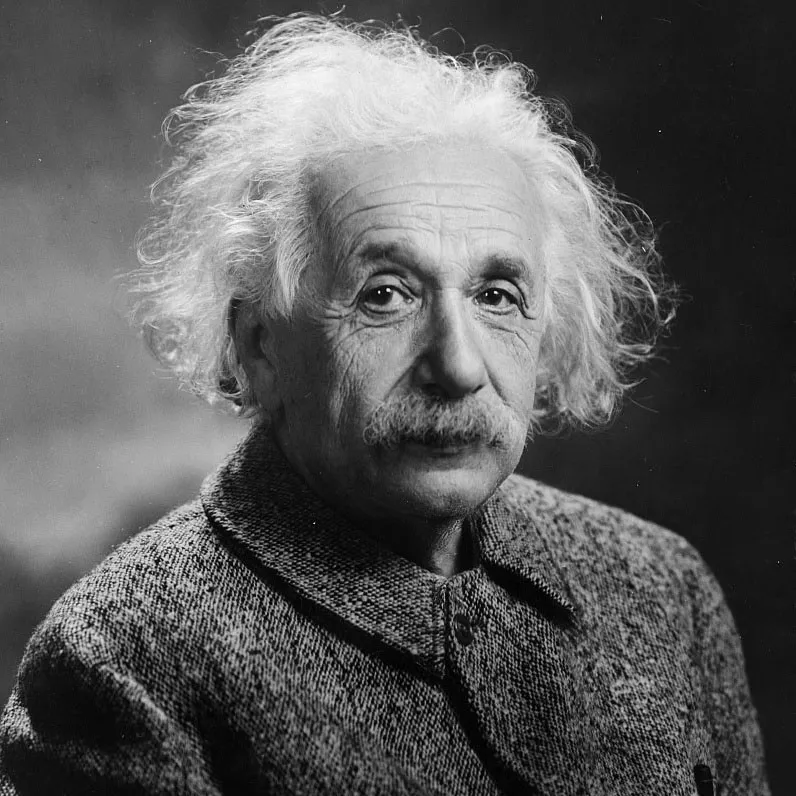
Albert Einstein spent the final decades of his life regretting his involvement in the development of the atomic bomb. in 1939 ,Einstein and Leo Szilard had sent President Roosevelt a letter urging the technology's development.
Albert Einstein and the Manhattan Project
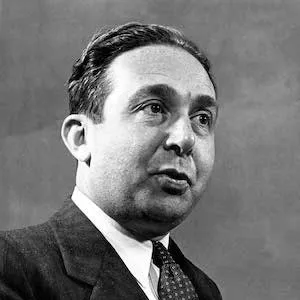
in !939, Leo Szilard, along with Albert Einstein, sent FDR a letter urging the development of atomic bomb technology. In 1945, Szilard drafted a letter signed by dozens of Manhattan Project scientists urging President Truman to "provide a demonstration of the bomb for the Japanese before using it on a city."
The Einstein-Szilard Letter – 1939
Leo Szilard: the physicist who envisaged nuclear weapons but later opposed their use
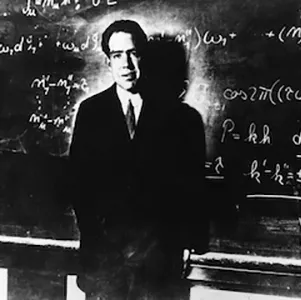
Niels Bohr was a core member of the Manhattan Project team. He was also one of a number project scientists who came to regret their involvement in the development of the technology. In 1952, he delivered an Open Letter to the United Nations urging international scientific cooperation
Open Letter to the United Nations, 1950
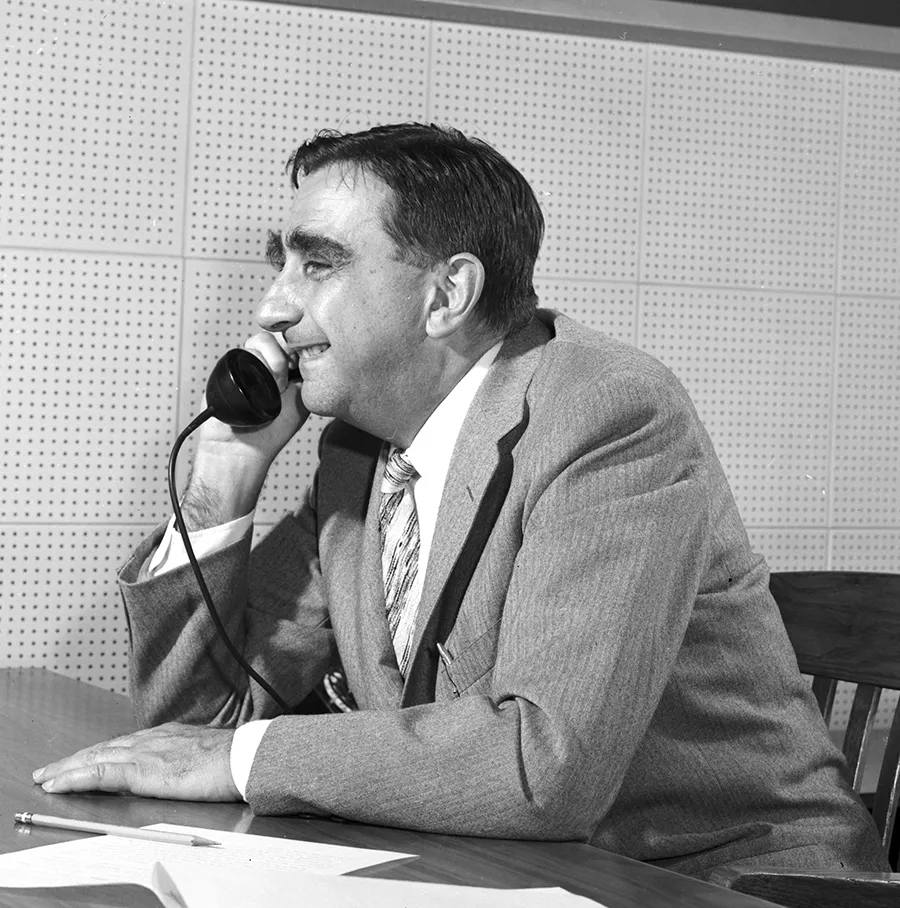
Hungarian-born American theoretical physicist Edward Teller worked extensively on the Manhattan Project. Teller's post-war work earned him the name "the father of the hydrogen bomb," Teller was tainted by his involvement in the removal of Robert Oppenheimer's security clearance in 1954.
"The many tragedies of Edward Teller"
New York Times: Edward Teller, a Fierce Architect of the Hydrogen Bomb, Is Dead at 95
"An Unearthly Spectacle: The untold story of the world's biggest nuclear bomb,"
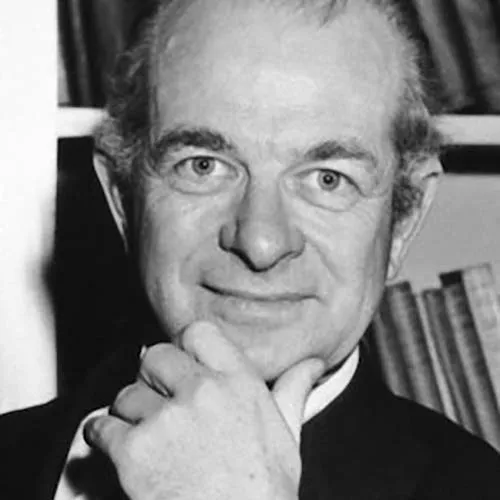
Linus Pauling is the only person to receive two unshared Nobel Prizes — for Chemistry (1954) and Peace (1962).
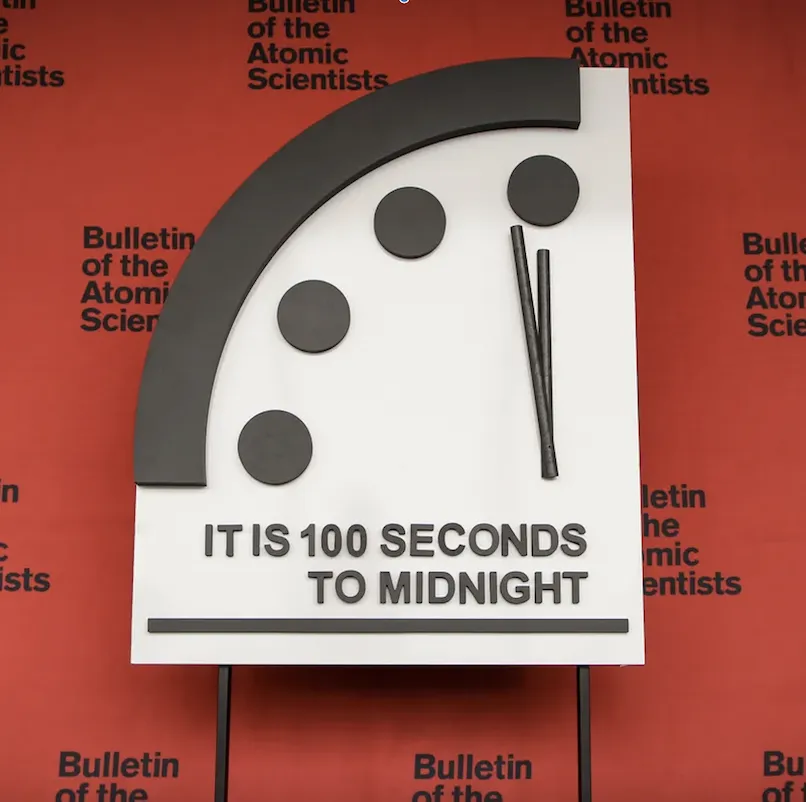
The Bulletin began as an emergency action, created by scientists who saw an immediate need for a public reckoning in the aftermath of the atomic bombings of Hiroshima and Nagasaki. In 1947, the Bulletin debuted the Doomsday Clock — ticking down the seconds to the end of it all. The Bulletin now covers other world-threatening issues like climate change and biosecurity.

In 1946, a group of atomic researchers created an organization committed to using science and technology to benefit humanity. The group they created – the Federation of Atomic Scientists – soon became the Federation of American Scientists. FAS research information is the gold standard in the field.

Physicians for Social Responsibility turned the results of study of baby teeth into the Limited Test Ban Treaty. The study looked for the presence of Strontium-90, a highly radioactive waste product of atmospheric nuclear testing, in the developing teeth.
'Bombs, Science and Baby Teeth," Bulletin of Atomic Scientists
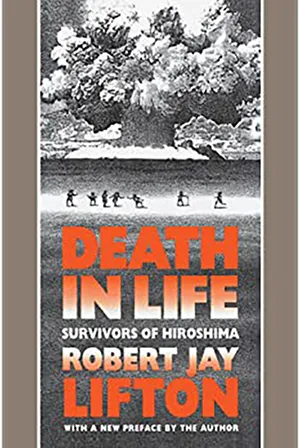
Interview with Dr. Robert Jay Lifton
New York Times: Study of Baby Teeth Sees Radiation Effects, Dec. 13, 2010
ACTIVISTS
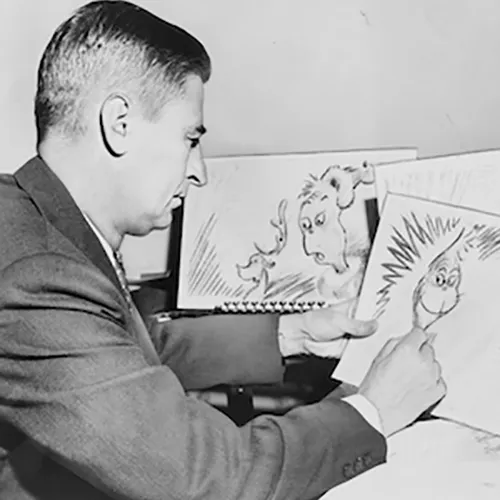
Dr. Seuss, also known and Theodore Geisel, produced cartoons for the U.S war effort during WWII. After the war, however, Geisel became a potent, and recognizable, face in the anti-bomb movement, The Better Butter Battle Book, published in 1984, ends with typical Seussian characters locked in a state of mutually assured destruction.
The Better Butter Battle Book (video)
Dr. Seuss and The Bomb, Ellen Goodman, The Washington Post, April 24, 1984

In 1957, the National Committee For a Sane Nuclear Policy (SANE) burst on the protest scene with a full--page ad in The New York Times: “We Are Facing a Danger Unlike Any Danger That Has Ever Existed.” SANE was among the largest activist groups throughout the subsequent decades as part of the FREEZE movement and is now known as Peace Action.
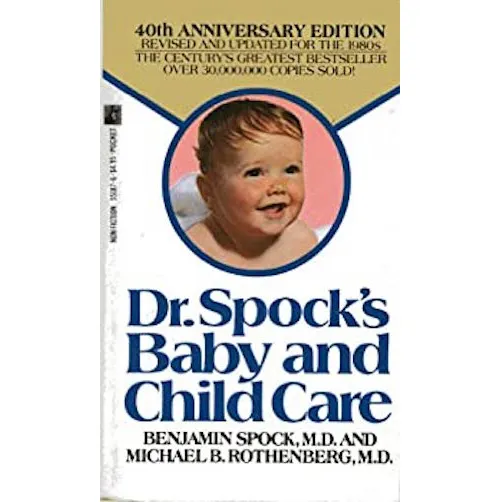
Dr. Benjamin Spock was one of the most famous people in post-war America. The Commonsense Book of Baby and Child Care, was first published 1946 and has sold over 50 million copies to date. Certainly, Spock was among the most visible anti-war activists in the county. Spock was found guilty of Conspiracy to Urge Evasion of Service in 1968 for his protest actions.
THE TRIAL OF DR. SPOCK, By Daniel Lang, The New Yorker, August 30, 1968
"Dr. Spock Guilty With 3 Other Men in Antidraft Plot", New York Times, June 15, 1968
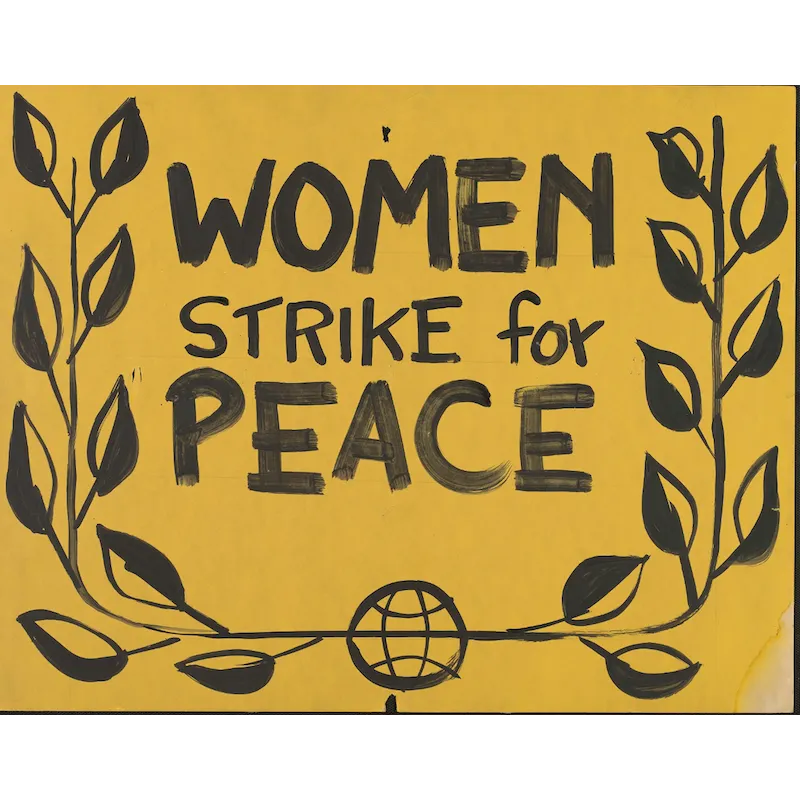
"On November 1, 1961, an estimated 50,000 women in 60 U.S. cities answered a call to join a one-day strike with the rallying slogan 'End the Arms Race—Not the Human Race.'” The action was the genesis of Women Strike for Peace. WSP remained active throughout the Cold War.
Exhibit: Women Strike for Peace, Swarthmore Peace Archive
Women Strike for Peace, Arms Control Today
Women Strike for Peace, International Disarmament Institute

Started in 1981, Ploughshares Fund has had a significant impact on the reduction of nuclear weapons. For over four decades, Ploughshares Fund has supported the most effective advocates and organizations in the world to reduce and eventually eliminate the danger posed by nuclear weapons.
Ploughshares Nuclear Stockpile Report

The International Campaign to Abolish Nuclear Weapons (ICAN) is a coalition of non-governmental organizations in one hundred countries promoting adherence to and implementation of the United Nations Treaty on the Prohibition of Nuclear Weapons. ICAN won the Nobel Peace Prize inn 2017
The road to a world free of nuclear weapons
The U.N. Treaty on the Prohibition of Nuclear Weapons
WRITERS, REPORTERS AND ARTISTS
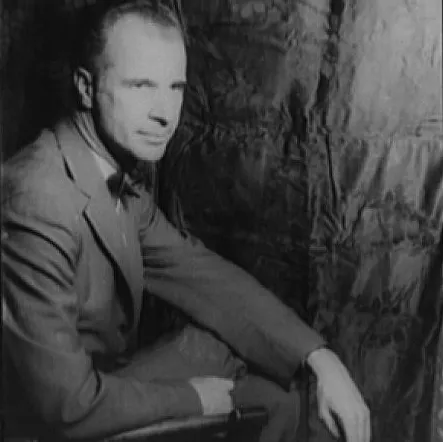
War correspondent John Hersey was already a Pulitzer winner when his New Yorker article "Hiroshima" changed American perceptions of the bomb. In 2020, the 75th anniversary of the atomic bombings, Lesley Blume wrote an exhaustive study of the story of Hersey and Hiroshima: Fallout..
John Hersey, "Hiroshima," The New Yorker, August 23, 1946.
'Fallout' Tells The Story Of The Journalist Who Exposed The 'Hiroshima Cover-Up,' NPR
Interview with John Hersey, The Paris Review, Summer-Fall 1986
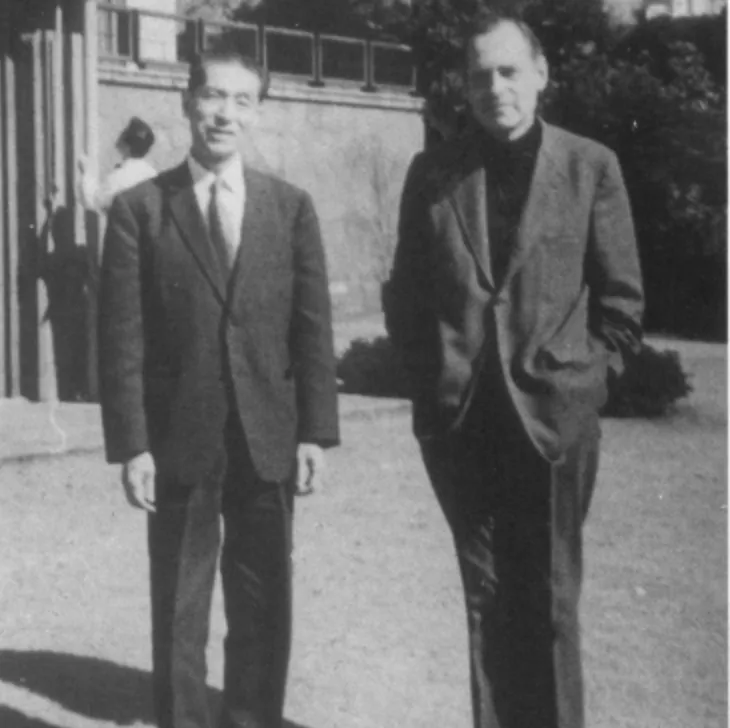
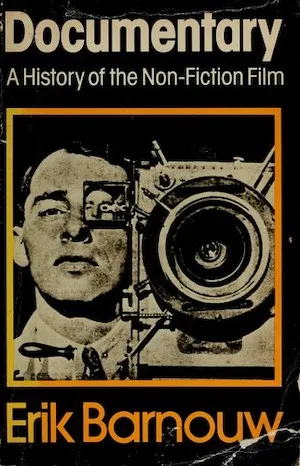
Although he was an opponent of the war government — and had even been imprisoned for his views — the Japanese government sent Akira IwasakI to Hiroshima to film the aftermath of the bombing. The film he shot was confiscated by the U.S. and languished classified in the National Archives for decades. Erick Barnouw brought the film to the public and forged a long friendship with IwasakI, who became one of Japan's most celebrated filmmakers.
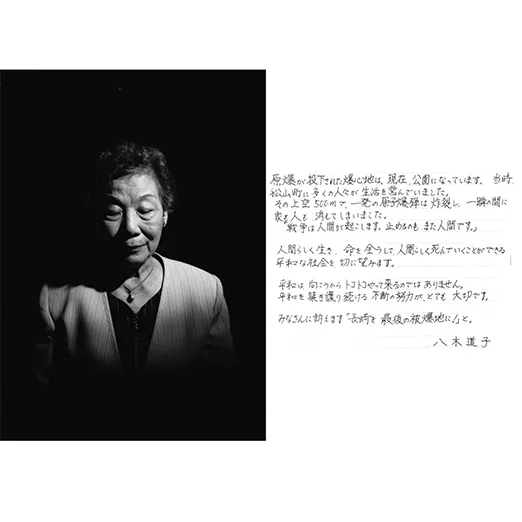
Brooklyn-based photographer Haruka Sakaguchi wanted to make sure the story of nuclear survivors (hibakusha) were preserved as the generation aged. In the 1945 Project, her stunning portraits are accompanied by the sitter's story in Japanese and English.
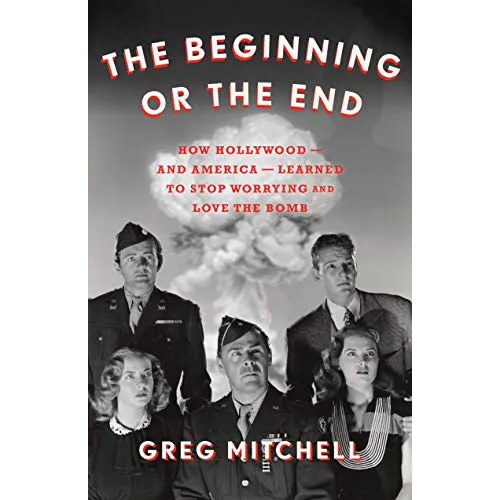
Greg Mitchell is the foremost expert on the atomic bomb and American culture. He wrote Hirsoshime in America: 50 Years of Denial with Dr. Robert Jay Lifton and has continued his study of what Americans knew and when they knew it from official military films to Hollywood "blockbuster" movies. His most recent documentary is Atomic Cover--Up.
Oppenheimer: From Hiroshima to Hollywood
Between a Rock and a Hard Place, Greg Mitchell's substack
Guilty Knowledge, The New York Times, July 30, 1995
More of Mitchell's work and a recent interview